
The PMS handbook
How to have a pain-free period

The term ‘PMS’ gets bandied about so easily, almost everyone seems to suffer in one way or another. It’s spoken about like it’s inevitable, like something we’re just supposed to put up with every month.
You hit your teens, your body changes, your cycle begins… and along with it comes the expectation of pain, mood swings, breakouts, bloating, cravings, the list goes on…
I remember my first ‘sex education’ lesson in year 7 — being told that this was just what happens now. This is just part of being a woman…
Cool, sounds good?
But it doesn’t have to be like that.
Just because something is ‘normal’, doesn’t mean it’s natural. And it definitely doesn’t mean it’s something you have to just accept. Instead you should treat it as a signal from your body that something is a little off track and just needs a bit of support and nourishment to bring things back into balance. Imagine each period rolling around, without pain, without bloating, without cravings…and it absolutely IS possible.
So what is PMS?
Pre-menstrual symptoms are those that show up for women a week or two before your period, and into the first few days of the cycle. PMS is vast and broad-ranging, with over 150 different symptoms. Some of the most common include:
Stomach cramps
Mood swings
Irritability
Poor concentration
Low libido
Cravings
Bloating
Headaches
Back ache
Breast tenderness
Acne
This list could go on and on…
What are the causes?
So if it’s not just the burden of ‘being a woman’, what is it that causes these symptoms and why do some suffer more than others?
Generally, there are a few main factors at play when it comes to PMS. These centre around the interaction between oestrogen, progesterone, and neurotransmitters.
Our hormones work in balance, often described as an orchestra — when everything is working correctly, you get a beautiful piece of music. But when something’s out of sync, it can throw the whole thing off beat.
Firstly, it could be high progesterone, which can be influenced by things like the oral contraceptive pill.
Or, it could be low progesterone. Remember what we said about the orchestra — everything has to be working in balance, not too much, not too little. When progesterone is too low, this can lead to relatively higher oestrogen, also know as oestrogen dominance.
Then, neurotransmitters come into play. There may be impaired serotonin function, which matters because oestrogen and progesterone can influence how much serotonin is available in the brain.
And of course, the infamous high cortisol and chronic stress can also have an impact — reminding us of the need for nervous system support and regulation.
So what do we need to do?
The main thing to focus on is balancing the oestrogen:progesterone ratio. We can support this by:
Eating 30-40g of fibre every day. This might look like: 2 tbsp of chia seeds with Greek yoghurt and raspberries for breakfast, a salad with chickpeas and veg for lunch, and 1 cup of lentils, sweet potato and broccoli for dinner - easy!
Including at least one palm-sized portion of cruciferous veg, every day. Broccoli, cauliflower, kale, cabbage, Brussel sprouts. A great way to do this is adding frozen cauliflower to smoothies, it just creates a nice creamy texture without affecting the taste.
Adding broccoli sprouts into your diet. So tiny, but so powerful. These little sprouts contain high up to 100x the Sulforaphane compared to normal broccoli. Around 2 cups per day can make a REAL difference.
Seed cycling, another one of my favourite rituals. Read my full guide here.
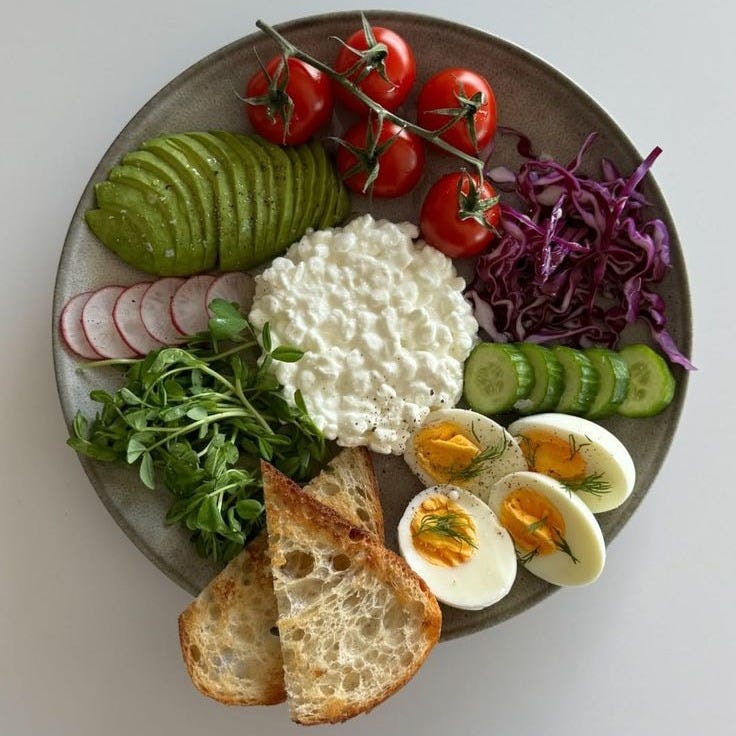
Alongside balancing hormones, we also need to balance blood sugar levels. This looks like:
Starting the day with a good quality protein breakfast. This is so important as it sets you up for the day feeling full and satiated. We don’t need a mid-morning crash and hunt for the biscuit tin. Good options include eggs, salmon, nut butter, chia pudding or Greek yoghurt.
Dressing your carbs. Never having carbs just on their own, but pairing them with protein, fibre and healthy fats at each meal.
Trying to avoid snacking as much as possible, aiming for 3 solid meals a day to give your digestive system a rest and reduce energy spikes.
Adding cinnamon to meals is a simple but effective way to help balance your blood sugar.
Walking after meals, just for 10 mins really helps avoid any energy spikes and crashes.
Extra tips to help you feel good:
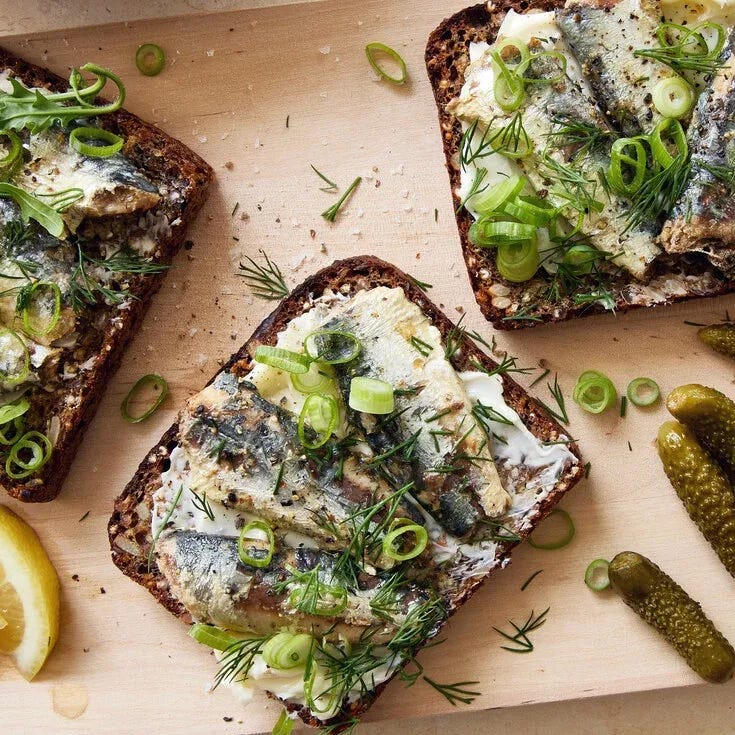
Aim for 3 portions of oily fish per week (salmon, sardines, and mackerel are great options).
Focus on including good quality protein with every meal (chicken, beef, turkey, chickpeas, fish, lentils, quinoa).
Try to avoid cooking with inflammatory seed oils, stick to extra virgin olive oil, butter, coconut or ghee.
Prioritise B6-rich foods - things like salmon, turkey, beef, chickpeas, sunflower seeds, and pistachios.
Go steady on the salt and increase potassium intake from foods like avocados, bananas, spinach, sweet potato, broccoli, chickpeas and lentils.
Go easy on the dairy - keep it minimal and prioritise quality.

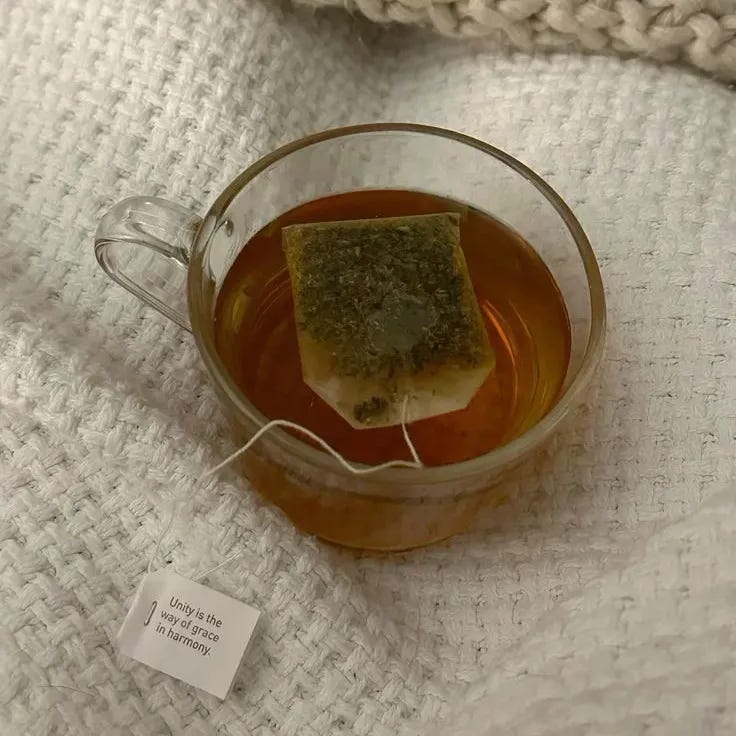
Herbal teas that will help:
Chamomile - to support the nervous and digestive system
Passionflower - to quiet anxiety
Green tea - to calm the nervous system
Peppermint - to ease bloating
Ginger - to improve blood circulation and reduce cramping
Supplements to consider:
Magnesium (glycinate or taurate forms)
Zinc
B6 or a B complex
Vitamin D - always get your levels checked first
Adding in these tips will really help to improve any PMS symptoms.
One final bonus tip: start tracking your cycle.
Not just when it comes, but how do you feel? what did you eat? do you have any pain? feel bloated? feel tired? were you more anxious or more confident?
Adding this extra level of insight will really help bring you in tune with your body. Over time it will help you to understand what it’s asking for, and to respond with the right kind of support, not just popping a paracetamol and wishing the pain would go.
PMS isn’t your body working against you. It’s your body trying to communicate with you.
And when you start listening, through -
how you eat
how you manage stress
how you support your hormones — things will begin to shift.
Less pain.
More stability.
More ease in your own body.
Not just “getting through” each month, but actually feeling good within it.
I hope this helps x